Explain an Employment Gap Briefly and Honestly
A gap explanation should clarify the timeline without inventing work or disclosing more personal detail than the task requires. Keep it consistent across your CV, application and interview.
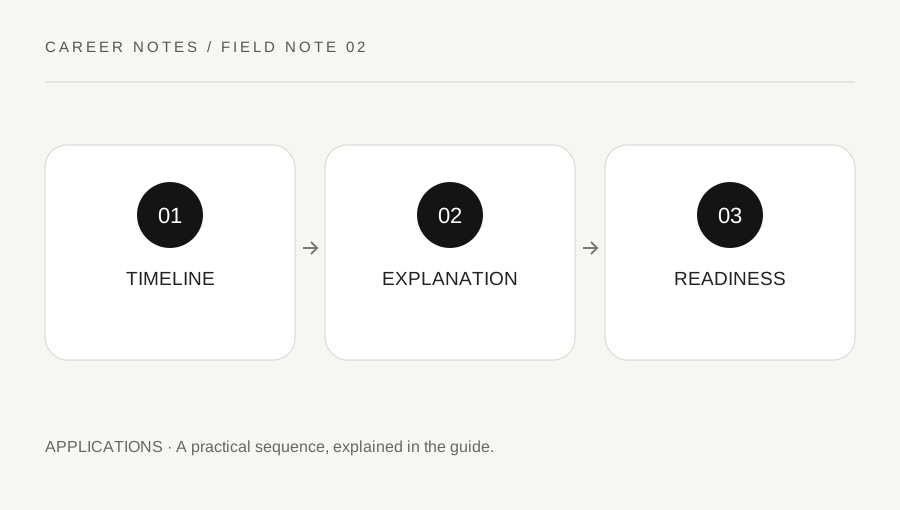
Original explanatory diagram. Examples illustrate a method or decision; they are not claims of personal testing.
Build an accurate timeline first
Write the actual dates of employment, study and other relevant periods in a private working note. Check records where necessary rather than estimating dates to make a gap disappear. Distinguish paid work, volunteering, caregiving, study and personal time accurately. A course completed during a break can be relevant, but it should not be described as a job.
Read the employer's application instructions. Some forms request a complete history while a concise CV serves a different presentation purpose. Follow the specific request and seek clarification through the employer's official route if needed. Do not use date formatting to create a false impression of continuous employment. A consistent honest account is easier to explain than a polished timeline that you cannot support.
Choose the level of personal detail deliberately
Use a brief factual description suited to the application. A family responsibility, period of study or career break can be explained without a long personal narrative. You do not need to turn every private event into a professional achievement. Keep sensitive information in a private note unless it is necessary and appropriate to disclose through the actual process.
If the break included relevant activity, describe what you genuinely did and any useful outcome. Avoid claiming skills or qualifications that the activity did not establish. The explanation can then move toward the current role: what you are ready to contribute and which real examples support that readiness. This is career communication guidance rather than a determination of legal disclosure requirements.
Use an illustrative concise explanation
Imagine an applicant took time away for family responsibilities and completed a small verified training course during that period. A concise draft might identify the break, name the course accurately and explain that they are now applying for the advertised role. They would adapt the wording to their real circumstances rather than copy an invented story.
In an interview, they can answer the timeline question directly, then discuss a relevant example from earlier work or recent genuine activity. They do not need to apologize repeatedly or claim the break made them expert in every transferable skill. The purpose is clarity and a supported connection to the role, not an elaborate justification for having a life outside paid employment.
Check consistency and prepare a calm follow-up
Compare the CV dates, form entries and interview notes. Correct any genuine mistake before it becomes a conflicting account. If you are uncertain about how the employer wants a period recorded, ask through the proper channel. Keep the explanation short enough that you can say it naturally without memorizing a defensive speech.
Practise a factual answer with a trusted person if helpful, using only details you are comfortable sharing. Then move back to evidence of suitability: relevant work, learning and the reasons for this application. A gap explanation cannot guarantee an outcome, but an accurate timeline and proportionate wording prevent avoidable confusion and leave more room for a substantive discussion of the job.
Keep unfinished learning accurately labelled
If a course or project is in progress, say so and distinguish completed work from plans. An intended qualification is not an earned qualification. You can describe the specific material already studied or output already produced without inflating its status. This is especially useful when a break includes several small activities that might otherwise be bundled into a vague claim of professional development. Choose the relevant items and keep evidence available where appropriate.
A practical checklist
Choices are saved in this browser. Reset them here or clear this site’s browser storage.
Questions that come up
Should I invent freelance work to cover a gap?
No. Describe the actual period honestly and use genuine relevant activity where it helps explain your readiness.
Must the explanation be long?
Usually a clear concise account is more useful than a defensive narrative. Follow the employer’s actual information request.
Can I mention an unfinished course?
Yes, if relevant and accurately labelled as in progress, with completed work distinguished from future plans.
References & scope
Background references checked on 18 October 2026. Worked examples and diagrams are original teaching material.